Vijesti iz industrije
 By Admin
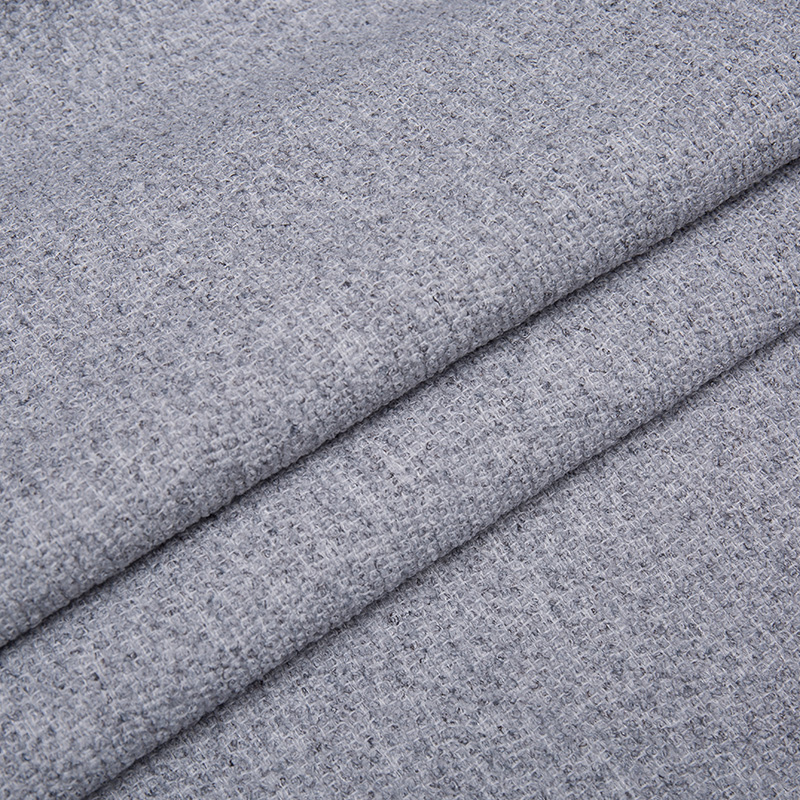
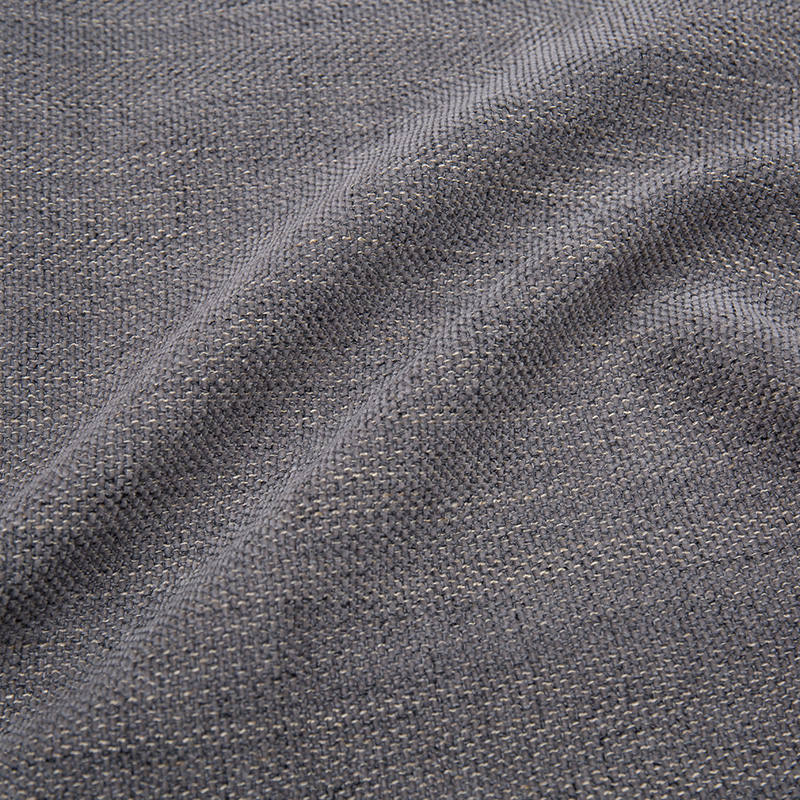
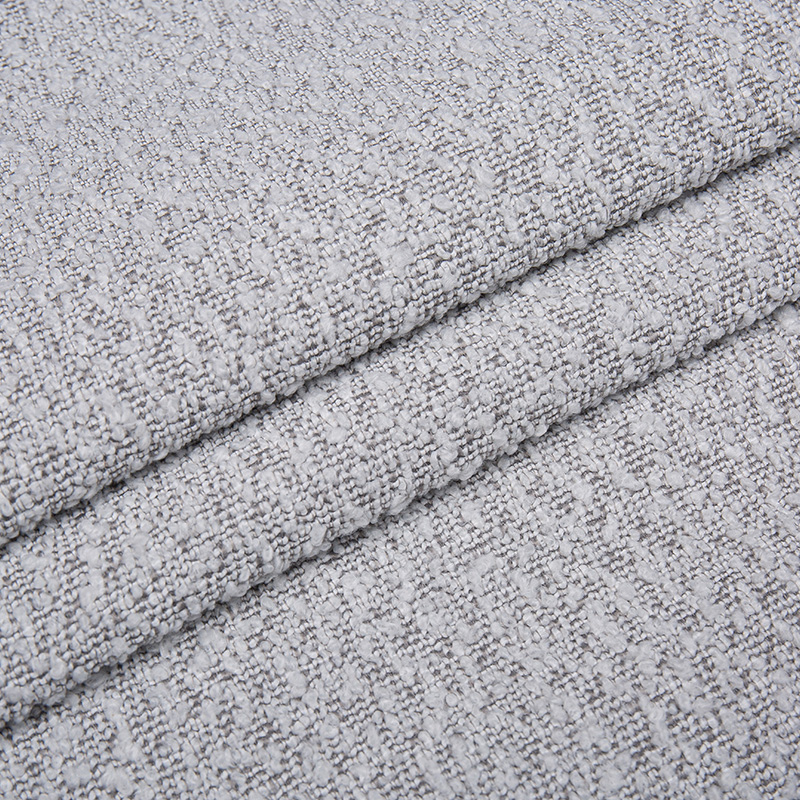
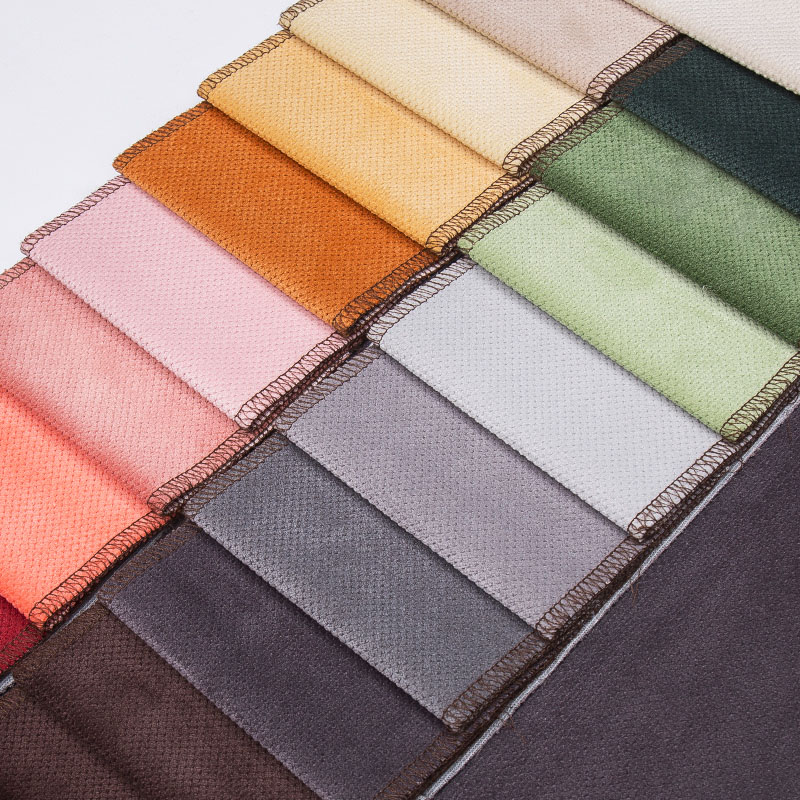
Brušena tkanina is a textile that has been mechanically treated to raise fibers from its surface , creating a soft, napped finish that feels noticeably warmer and more comfortable against the skin than untreated cloth. The result is a fabric with a slightly fuzzy or velvety texture — without changing the underlying yarn structure or weave pattern. This finish can be applied to a wide range of base fabrics, including cotton, polyester, fleece, flannel, and blended textiles. Stupanj četkanja - koliko puta tkanina prolazi kroz proces i agresivnost žičanih valjaka - određuje hoće li konačni proizvod biti lagano omekšan ili jako napuhan. Vrijedno je razlikovati brushed fabric from other surface-treated textiles : velvet achieves its pile through weaving, while suede is a leather finish. Brushed fabric is defined specifically by a post-weave mechanical process that lifts existing fibers rather than adding new ones. The brushing process — also called napping or raising — takes place after the fabric has been woven or knitted. The cloth is fed through a machine fitted with rotating cylinders covered in fine wire teeth or natural teasel burrs. As the fabric moves through, the teeth snag and lift individual fibers from the yarn, creating the characteristic soft surface nap. Several variables in this stage directly affect the final hand feel and appearance: After brushing, the fabric typically undergoes shearing — a trimming step that evens out the raised fibers to a consistent height, improving both appearance and performance. Some technical fabrics also receive an anti-pilling finish at this stage to extend durability. The brushing process adapts across a wide range of base materials, each producing a distinct fabric with specific performance characteristics: Osim očitog poboljšanja mekoće, četkanje donosi mjerljive funkcionalne prednosti koje ga čine preferiranom tehnikom završne obrade u proizvodnji odjeće i kućnog tekstila. The raised fiber surface traps small pockets of air between the nap and the skin. Ovaj sloj mrtvog zraka djeluje kao izolacija , allowing brushed fabrics to retain heat more effectively than equivalent smooth-finished textiles — even at the same fabric weight. This makes brushing particularly valuable in cold-weather garments where warmth-to-weight ratio is critical. U visokokvalitetnim tekstilima, tkanine od brušenog poliestera i brušenog flisa iskorištavaju povećanu površinu navlake za učinkovitije odvođenje vlage s kože. Vlakna prenose znoj prema van prema licu tkanine, gdje može ispariti — ključni razlog zašto se brušene tkanine široko koriste u osnovnim slojevima za vanjsku i sportsku primjenu. Counterintuitively, a properly brushed and sheared fabric can actually pill less than an unbrushed equivalent. The shearing step removes the loose, short fiber ends that are most prone to tangling into pills during wear and washing. Fabrics that receive both brushing and anti-pilling treatment consistently outperform untreated alternatives u ispitivanju trajnosti tijekom ponovljenih ciklusa pranja. Selecting the correct brushed fabric requires balancing fiber content, nap density, and end-use requirements. The following criteria provide a practical starting framework: Zahtjev za fizičkim uzorcima i uzorcima za testiranje pranja prije slanja skupnih narudžbi ostaje najpouzdaniji način da se provjeri da li je brušena tkanina na dodir, postojanost boje i izdržljivost u skladu sa zahtjevima specifikacije. Što je brušena tkanina?
Kako funkcionira proces četkanja
Uobičajene vrste brušenih tkanina
Vrsta tkanine Osnovni materijal Ključna svojstva Tipične primjene Brušeni pamuk 100% pamuk Prozračna, hipoalergena, mekana Odjeća za spavanje, odjeća za bebe, posteljina Brušeni poliester 100% poliester Lagan, brzo sušeći, izdržljiv Sportska odjeća, sportska odjeća, podstave flanel Pamuk / vuna / mješavina Teška težina, izvrsna izolacija Košulje, hlače, deke Četkani flis Pletivo od poliestera Topla, upija vlagu, otporna na tablete Jakne, majice s kapuljačom, vanjska oprema Četkani triko Najlonsko/poliestersko pletivo Glatko lice, meka leđa, rastezljivo Donje rublje, atletski unutarnji slojevi Prednosti izvedbe brušene tkanine
Poboljšano zadržavanje topline
Poboljšano upravljanje vlagom
Reduced Pilling Tendency (When Finished Correctly)
How to Choose the Right Brushed Fabric for Your Needs

Od pređe do tkanine. U Xiangyiju, mi ušivamo kvalitetu u svaki šav, izrađujući tkaninu za kauč koja nadilazi dekor - ona utjelovljuje jedinstveni stil vašeg doma.
PROIZVOD

+86-18262539999 (Meng Lin)